Brown Butter Sage Pierogi
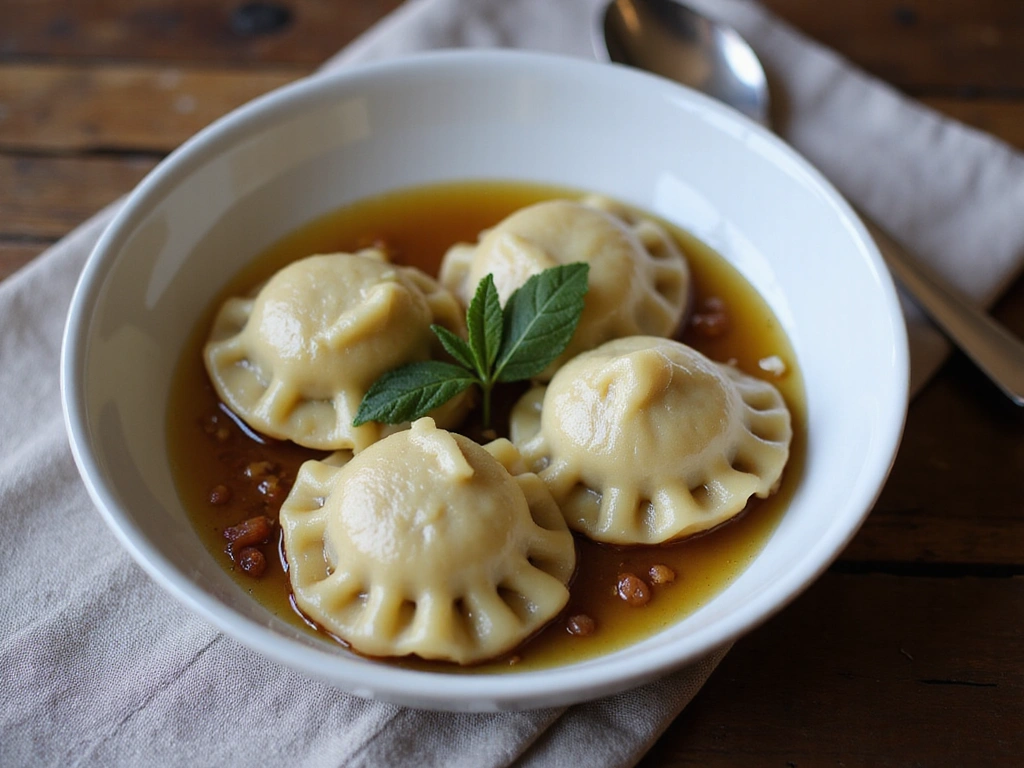
Jump to RecipeTurn humble pierogi—store-bought or homemade—into a glowingly golden skillet meal with brown butter and crisp sage. This brown butter sage pierogi recipe celebrates simple pantry ingredients, delivering rich, nutty butter, herbaceous aroma, and a satisfying bite. Start by boiling the pierogi until they float, then in a large skillet melt unsalted butter until it foams and deepens to a toasty amber. Add fresh sage leaves and fry until crisp and fragrant. Drain the pierogi and toss them gently with the brown butter and sage so every dumpling glistens with flavor. Season to taste with salt and black pepper, and finish with a light shower of grated Parmesan if you like a cheesy finish. The result is an elegant, cozy dish that comes together in under 30 minutes, making it perfect for weeknights or an impressive weekend dinner. This recipe is flexible—use store-bought for speed or homemade pierogi for extra texture—and pairs beautifully with a bright salad or a crisp white wine.
Ingredients
pierogi (store-bought or homemade)
For store-bought: choose plump, evenly sealed pierogi and avoid overly thin wrappers. If they’re frozen, boil directly from froze and add 1–2 minutes to the cooking time. For homemade, you can boil until tender or finish by pan‑frying in brown butter to add color and flavor. To maximize flavor, you can lightly pat the boiled pierogi dry before tossing in the brown butter so they don’t steam. If you want extra crispness, give them a quick sear in a hot skillet after boiling.
unsalted butter
Use unsalted butter so you can control salt; brown butter (cook until it foams and turns a hazelnut amber color) for about 3–5 minutes, watching closely to avoid burning. The browned bits add deep nutty flavor that pairs with sage. Substitutions: a light olive oil can work in a pinch, but will lack butter’s dairy richness; for a dairy-free version, try ghee or a high-smoke-point oil blend, keeping in mind the flavor change.
fresh sage leaves
Select bright, firm sage with intact leaves and minimal wilting; remove thick stems and use whole leaves or finely chop if you prefer more surface area. Fry the sage in the brown butter until crisp and fragrant (about 1–2 minutes). Sage is strong, so start with 8–10 leaves and adjust to taste. If unavailable, thyme or marjoram can provide a similar aromatic note, though the flavor will be different.
salt
Salt enhances the pierogi’s flavor, but adjust based on your fillings and whether the pierogi are pre-salted. Start with 1 teaspoon and taste after the initial toss; you can always add more. Remember that brown butter can carry salt, so err on the side of cautious addition, especially if using salty fillings.
black pepper
Use freshly ground black pepper for the best aroma; grind it over the dish just before serving to preserve the volatile oils. If you like a bit more heat, add a pinch of crushed red pepper flakes or increase pepper slightly, but taste as you go to avoid overpowering the sage and butter.
grated parmesan cheese (optional)
Freshly grate high-quality Parmigiano-Reggiano and sprinkle over the dish just before serving for a salty, savory finish. If dairy-free, substitute with nutritional yeast or a dairy-free Parmesan alternative. A light dusting of lemon zest along with the cheese can brighten the dish if you like.
Cooking Steps
Step 1: Boil pierogi
Boil pierogi according to package instructions or until they float to the top (about 5-7 minutes).Tips:Use a large pot and plenty of water; Do not overcrowd the pot; Add a pinch of salt to the water; Stir gently to prevent sticking; Keep an eye on them and test one for doneness.Notes:If using frozen pierogi, boil for 1-2 minutes longer; Boiling water should be at a steady boil but not raging to avoid tearing pierogi.Step 2: Brown the butter
In a large skillet, melt the butter over medium heat until it starts to foam and turn golden brown, about 3-5 minutes.Tips:Watch for a nutty aroma and golden color; Swirl the pan to distribute butter; Use unsalted butter to control salt; If it browns too fast, reduce heat.Notes:Browning butter can go from golden to burnt quickly; remove from heat if color darkens.Step 3: Fry sage leaves
Add the fresh sage leaves to the skillet and fry for about 1-2 minutes until they become crispy and fragrant.Tips:Fry in the butter until crispy; Use tongs to turn; Reserve a few leaves for garnish; Do not overcrowd the pan.Notes:Sage browns quickly; Crispy leaves provide best texture; Overcrowding softens leaves.Step 4: Combine pierogi with brown butter and sage
Once the pierogi are done boiling, drain them and add them to the skillet with the brown butter and sage. Toss gently to coat.Tips:Use a gentle tossing motion to avoid tearing pierogi; For extra crispness, sear a minute on each side after coating.Notes:If butter separates, keep heat medium and toss to re-emulsify.Step 5: Season and serve
Season with salt and black pepper to taste, and serve warm, topped with grated Parmesan cheese if desired.Tips:Taste and adjust salt before serving; Parmesan adds a salty, nutty note; If keeping warm, re-toss gently before serving.Notes:Leftovers are best reheated in a dry pan to re-crisp the edges.
Frequently Asked Questions
What ingredients do I need for Brown Butter Sage Pierogi, and can I adjust them?
You’ll typically need pierogi, unsalted butter, fresh sage leaves, salt, black pepper, and optional grated Parmesan. If you must reduce salt, use less or unsalted butter and skip Parmesan. You can also substitute olive oil for a lighter option, but brown butter adds a nutty flavor that’s hard to replace.
How do I brown butter without burning it?
Melt the butter over medium heat in a light-colored skillet. It will foam, then turn golden brown with a nutty aroma. Swirl the pan and watch closely; once it reaches a golden color, remove from heat to stop cooking.
How long should I boil the pierogi and how do I know when they’re done?
Boil until they float and are tender, about 5–7 minutes. If you’re using frozen pierogi, add 1–2 minutes. Test one piece to confirm the center is hot and soft.
Why do pierogi sometimes burst or stick while boiling?
Overfilling the edges, poor sealing, or boiling too vigorously can cause bursting. Ensure edges are well sealed, don’t overcrowd the pot, and keep the water at a gentle boil rather than a rolling one.
How do I finish the pierogi in the brown butter and sage?
Drain the boiled pierogi well, then add them to the skillet with the brown butter and sage. Toss gently to coat and let the edges crisp slightly in the butter.
How should I cook the sage leaves in the pan?
Add sage leaves to the brown butter after it foams. Fry for 1–2 minutes until crispy and fragrant. If they darken quickly, remove them earlier and drain on paper towel.
How should I season and serve this dish?
Season with a pinch more salt and black pepper to taste. Serve warm, and if you like, top with grated Parmesan for extra intensity or a squeeze of lemon for brightness.
Can I make this dairy free or lighter?
Yes. Use olive oil instead of butter or a dairy-free butter substitute. You can still fry sage in oil and skip Parmesan if desired.
How do I store leftovers and reheat?
Store leftovers in an airtight container in the fridge for up to 2–3 days. Reheat in a skillet with a splash of water or a little oil until warmed through and a bit crispy.
Should I use store-bought pierogi or make my own?
Both work. Store-bought pierogi are quick and convenient; frozen ones may need a bit longer in boiling water. Making your own lets you customize fillings and dough, but it takes more time.
Additional Information
Dietary Considerations
Vegetarian: the dish is vegetarian as written if the pierogi are cheese/vegetarian; verify the product. Gluten-free option: use gluten-free pierogi and ensure any toppings (such as breadcrumbs) are gluten-free. Dairy-free/vegan: substitute olive oil or vegan butter for the brown butter and omit Parmesan or use a vegan cheese. Nut-free: the recipe contains no nuts; ensure no cross-contact with nuts. Halal/Kosher: choose pierogi and ingredients that align with dietary requirements. Storage: refrigerate leftovers for 2–3 days; reheat gently. Freezing: pierogi can be frozen raw or cooked; reheat from frozen according to package or with gentle reheating in a skillet.
Pairings
Recommended pairings for Brown Butter Sage Pierogi: White wines work beautifully here, especially Chardonnay (preferably unoaked or lightly oaked) or Sauvignon Blanc; Pinot Grigio is also a nice match. If you prefer red, opt for a light-bodied Pinot Noir or Gamay (Beaujolais) to avoid overpowering the butter and sage. For beer lovers, try a Kolsch, German pilsner, or Märzen; amber or brown ales can echo the toasty brown butter nicely. Sparkling options like Brut Champagne, Prosecco, or a dry cider provide a refreshing contrast. Non-alcoholic options include sparkling water with a lemon twist or a crisp apple/pear soda. Flavor boosters to consider adding at the table include a squeeze of lemon, extra grated Parmesan, cracked black pepper, and a few extra fried sage leaves to echo the dish’s aromatics.
Serving Suggestions
Serve immediately from the skillet to keep the brown butter sauce glossy. Use warmed plates to retain heat. After boiling, drain the pierogi and toss them gently in the brown butter-sage pan until well coated. Finish with a light salt, black pepper, and Parmesan if desired. For balance, pair with a light green salad (arugula or mixed greens) with a lemon vinaigrette, and optional sides like roasted mushrooms or caramelized onions. To vary texture, consider adding toasted breadcrumbs or crispy pancetta bits as a side accompaniment. If making ahead, rewarm gently in a low-heat skillet with a splash of butter or olive oil, avoiding overheating to prevent soggy pierogi. For an elevated presentation, plate on warm shallow bowls, spoon extra sauce around, and top with crispy sage leaves and a Parmesan shaving.
Brown Butter Sage Pierogi
Allergens:
Cuisine:
Course:
Description
Delicious dumplings filled with creamy potato and cheese, tossed in nutty brown butter and fragrant sage.
Ingredients
- pierogi (store-bought or homemade): 12 pieces
- unsalted butter: 1 stick
- fresh sage leaves: 10 leaves
- salt: 1 teaspoon
- black pepper: 1 teaspoon
- grated parmesan cheese (optional): 1 cup
Date Created:
11/29/2025